Suicide Prevention
There have been two times in my life when I seriously thought about taking my own life.
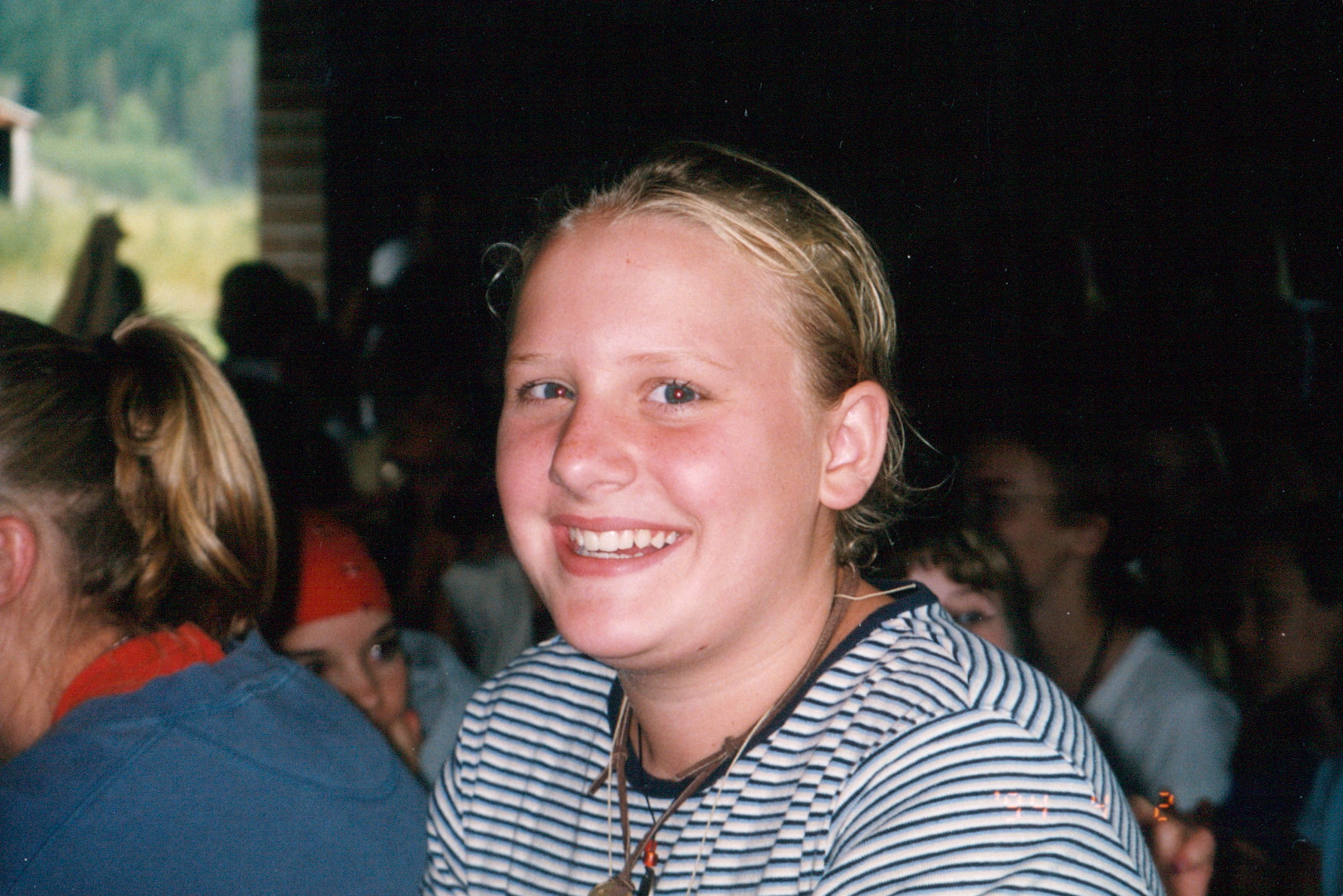
The first time, I was in sixth grade.
I went to school every day wishing I didn’t have to be alive anymore. Death felt easier than facing the same girls, the same hallways and the same desperate need to be liked by people who had decided they didn’t like me.

When you are twelve years old, the world is very small. I didn’t have enough life behind me to understand that those hallways would someday mean absolutely nothing to me. They were my entire world, and I couldn’t see past them.
I remember getting close to ending my life a few times but never following through. Mostly, I remember believing there was no way out.
I don’t know how long I would have kept all of it inside if my mom hadn’t pried.
One night we were driving home from Salt Lake, about a thirty-minute drive, and she started asking probing questions. She knew I was sad, but I don’t think she realized to what extent. Somehow she asked the right questions that night because by the time we pulled into our garage, she had cracked something open in me that I had been working very hard to keep closed.
Through sobs, I finally told her the truth: I didn’t want to be alive anymore.
We sat in that garage talking for hours as I spilled my heart to her. I am still proud of that little girl for telling her mom the truth. At the time, keeping it inside felt easier. Saying it out loud meant admitting how bad things had gotten, but it also meant I wasn’t carrying it alone anymore.
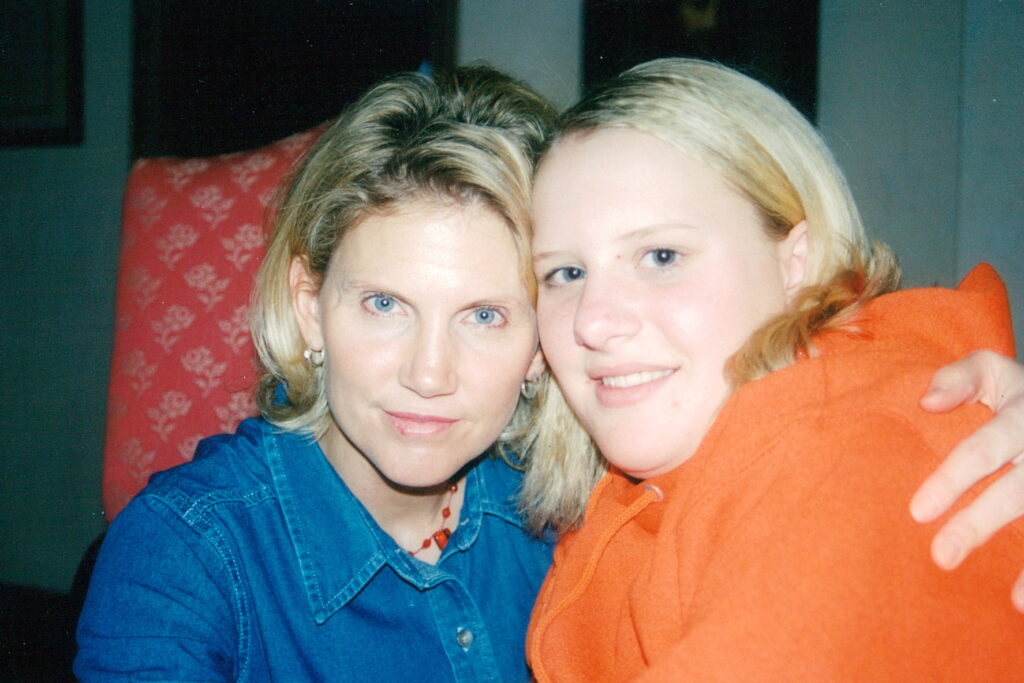
My mom got me professional help. My family rallied around me. They loved me loudly and showed up in ways I desperately needed. The bullying didn’t magically disappear and my brain didn’t suddenly become an easy place to live, but I felt held. I felt less alone.
Slowly, I could breathe again.
As an adult, I’ve learned things about the way my brain works that sixth-grade me didn’t know. I have ADHD, and I can hyperfixate. Pair that with a tender heart and a twelve-year-old’s desperate desire to belong, and middle school was not exactly my ideal habitat.
I didn’t know any of that then. I just knew I was hurting, and I thought I always would be.
Thankfully, I was very wrong. I had a whole life waiting for me.
The second time happened almost thirty years later. Yes, very recently.
This time I was a grown woman with a husband I loved, children I adored, a life I wanted and a faith that meant everything to me.
Two years ago, blood work showed that my platelets were extremely low, and I was told to stop all supplements immediately. It scared me, and instead of stopping only the supplements, I stopped my medications cold turkey too, including an antidepressant.
Not long after, I was sitting in church during sacrament meeting when I suddenly had an overwhelming urge to kill myself.
I remember exactly where I was because nothing about the room matched what was happening inside my head. I was sitting in a church pew, surrounded by people, in a place where I felt safe, during a meeting centered on Jesus Christ—and I was seriously considering skipping second hour, driving home and ending my life.
It came out of nowhere, and it terrified me.
I reached out to Ammon. I reached out to God. And thankfully, I did not do what my brain was telling me to do.
That experience scared me enough to learn that I don’t have to believe everything my brain tells me, especially when my brain is not well.
Both times I wanted to die, somebody looking at me from the outside could easily have missed it.
Once I was a sixth grader walking through school. Once I was a mother sitting in church.
Two years ago, one of my dear friends died by suicide.
Her story was different from mine. She had fought for years against demons that did not disappear when a season changed. She had a son she loved, a family who supported her and friends in her corner. She was deeply loved, and still, the fight became too much.
I need to say that because I never want to pretend there is a simple equation here. My mom reached me in that car. I reached for Ammon in that church pew. People reached for my friend too. Family, friends and professionals loved her, supported her and fought alongside her.
Sometimes you can love someone enormously and still not be able to reach the place where the pain lives.
I desperately wish that weren’t true.
To the twelve-year-old walking down a middle-school hallway, convinced a handful of girls to decide her worth: I wish I could tell her how small this hallway will someday become.
Middle school ends. There will be people who love her without making her audition for it. She will fall in love, have children, travel, make things, laugh until she cries, and live ordinary Tuesday mornings she cannot possibly imagine yet.
The world is so much bigger than the hallway she is standing in.
To the woman sitting in a church pew almost thirty years later, living so much of the life that little girl couldn’t imagine while her own brain tells her to leave it all: I wish I could sit beside her too.
I would tell her the same thing.
The world is so much bigger than this moment.
And to my friend who isn’t here anymore, I wish more than anything I could sit beside her too.
I would tell her: You are brave. You are strong. I love you so much. I think about you all the time. I wish I could take away the hurt and the pain you carried. You made an impact for good in my life.
These three women have changed the way I love people.
I don’t want to assume someone knows I love them. If I’m thinking about them, I want it to be known. If something seems off, I want to ask. I don’t want love to be something I leave unsaid.
If you need help
If you are thinking about suicide, please tell someone. You do not have to wait until things get worse or know exactly how to explain what you’re feeling. In the United States, call or text 988 to reach the Suicide & Crisis Lifeline. Support is available 24 hours a day.